
發佈日期 2026-01-21
Hach懸浮固體與濁度分析儀協助美國衛生紙廠減少紙漿纖維耗損和廢水減量 Reducing Fiber Loss and Wastewater Discharge with TSS Sensors
Reducing Fiber Loss and Wastewater Discharge with TSS Sensors from Hach
A tissue mill in the southeastern United States was struggling with high rates of fiber loss, resulting in excessive wastewater generation, raw material waste, unscheduled maintenance and high sludge removal and haul-off expenses. High solids concentration, foam content and ‘sticky’ nature of fibers prevented other analytical approaches from providing reliable data due to sample line clogs and unreliable calibrations.
Consequently, operators had limited understanding of fiber loss over time and no means to associate loss events to individual tissue machines.
Consequently, operators had limited understanding of fiber loss over time and no means to associate loss events to individual tissue machines.
美國東南部某衛生紙廠面臨纖維損耗率過高的難題,導致廢污水產生過多、原材料浪費、非預期中的維護以及高污泥清除費和運輸費用。由於污水中的紙漿纖維成分,因此有高濃度的懸浮固體、泡沫多且具有“黏性”,其他傳統分析方法難以提供可靠數據,且因為水樣管路容易堵塞,校正也不穩定。因此,操作管理人員缺乏連續監測數據,對於在不同時間的纖維損耗變化情況了解有限,也無法判斷是哪台造紙機的纖維耗損流失。
Background 應用背景介紹
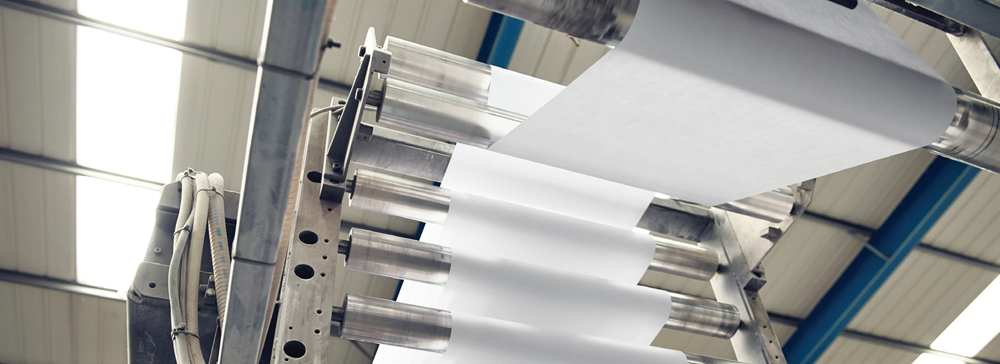
Tissue paper manufacturing involves several stages. For tissue made from virgin wood pulp, logs must be debarked, chipped and cooked to break down lignins and remove impurities. The resulting pulp is washed, screened and bleached before it is prepared into a fibrous slurry for the papermaking stage. In this stage, the slurry is spread over a wire mesh to allow excess water to drain. The wet sheet is then fed through a series of rollers to remove residual water and add strength and smoothness before drying, cutting and converting to finished rolls. The drained water can carry pulp fibers, which are handled as waste or recovered. Rates and daily volume of pulp fiber loss are tracked as a key performance metrics, benchmarked across mills as an indicator of papermaking machine production losses and operational efficiency.
Tissue paper manufacturing involves several stages. For tissue made from virgin wood pulp, logs must be debarked, chipped and cooked to break down lignins and remove impurities. The resulting pulp is washed, screened and bleached before it is prepared into a fibrous slurry for the papermaking stage. In this stage, the slurry is spread over a wire mesh to allow excess water to drain. The wet sheet is then fed through a series of rollers to remove residual water and add strength and smoothness before drying, cutting and converting to finished rolls. The drained water can carry pulp fibers, which are handled as waste or recovered. Rates and daily volume of pulp fiber loss are tracked as a key performance metrics, benchmarked across mills as an indicator of papermaking machine production losses and operational efficiency.
瀝出的水中可能含有紙漿纖維,這些纖維不是作為廢料就是回收。紙漿纖維的損失率和日損失量被作為關鍵績效指標進行追踪,並在各紙廠之間進行指標比較,以此作為評估造紙機台生產損失和營運效率的指標之一。
Solution 解決方案
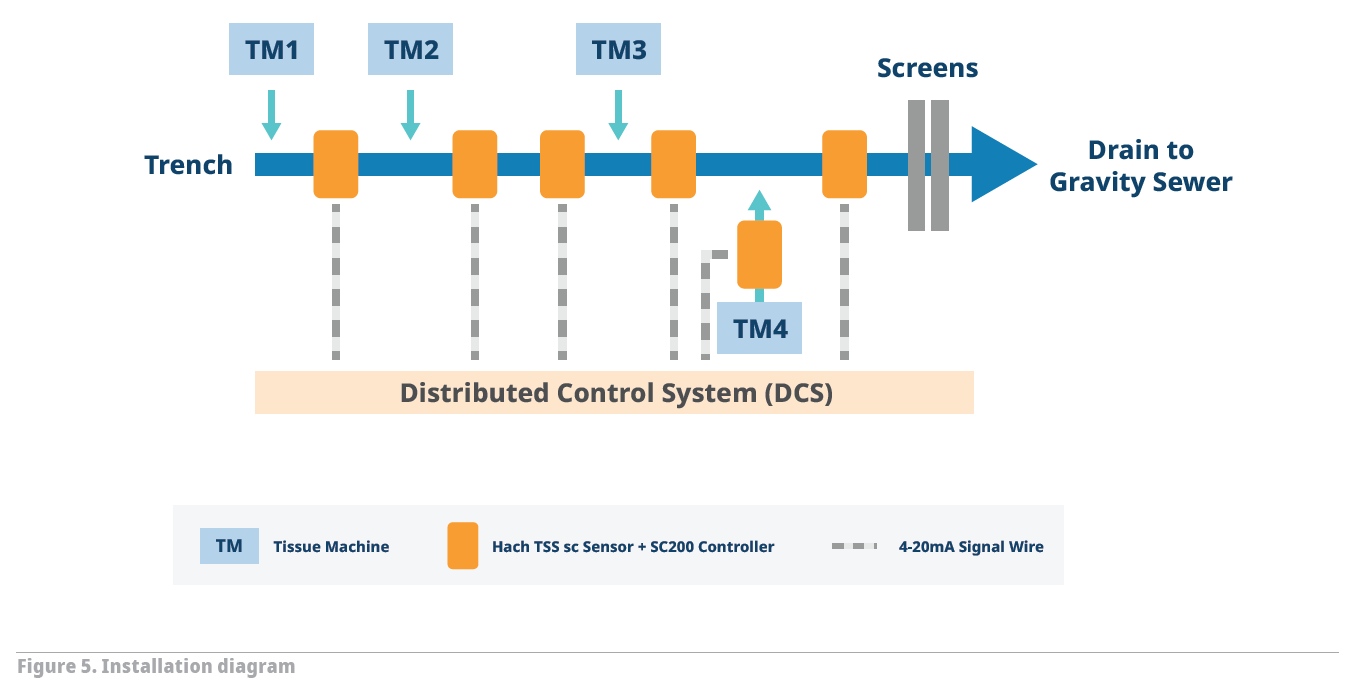
Six Hach® Total Suspended Solids (TSS) sc sensors with wiper were immersion-mounted in effluent collection streams for each tissue machine as well as in front of two collection screens inside a trench which carried effluent into a gravity sewer. Sensor wiper frequency was set at every four hours, with an instrument service agreement covering replacement of wear consumables including wipers and
seals. Probe data was used to ‘timestamp’ fiber loss activity associated with each tissue machine such as spills, production changeovers, maintenance activities and shift changes.
Six Hach® Total Suspended Solids (TSS) sc sensors with wiper were immersion-mounted in effluent collection streams for each tissue machine as well as in front of two collection screens inside a trench which carried effluent into a gravity sewer. Sensor wiper frequency was set at every four hours, with an instrument service agreement covering replacement of wear consumables including wipers and
seals. Probe data was used to ‘timestamp’ fiber loss activity associated with each tissue machine such as spills, production changeovers, maintenance activities and shift changes.
導入六台選附有清潔刷片的Hach 濁度與懸浮固體 (TSS) sc 感測器,分別以浸入方式安裝在每台造紙機的廢水收集流中以及將廢污水排入重力污水管道的集水槽的兩個收集篩網前。感測器清潔刷片頻率設定為每四小時一次。感測器探頭數據資料用於「時間戳記(Timestamp)」紀錄每台造紙機纖維損耗相關的活動,例如溢流、生產切換、維護活動和換班。
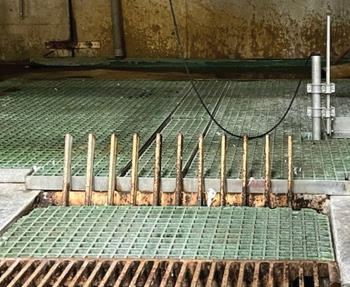
Figure 1. Photo illustrating trench leading to gravity sewer.
Setup 安裝設定
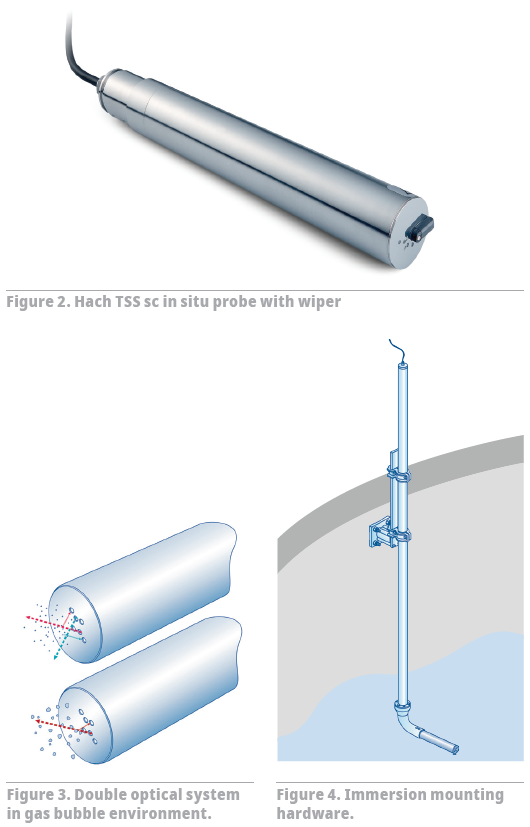
Six Hach TSS sc in situ probes with wiper were immersion mounted at points in the effluent side of each tissue machine as well as directly upstream of the screens in front of the gravity drain. The previous challenges of foam presence and sample line clogs resulting in accurate readings were avoided due to TSS sc sensor differentiated design features which enable reliable measurements even in harsh environments. These include:
Six Hach TSS sc in situ probes with wiper were immersion mounted at points in the effluent side of each tissue machine as well as directly upstream of the screens in front of the gravity drain. The previous challenges of foam presence and sample line clogs resulting in accurate readings were avoided due to TSS sc sensor differentiated design features which enable reliable measurements even in harsh environments. These include:
- Highly polished stainless steel with scratch resistant sapphire window designed to keep fibrous material from sticking to the surface.
- Double optical system with two pulsating infrared LEDs and four receivers. As transmitted light scatters, receivers pick up incident light at 90° and 120° angles effectively doubling instrument accuracy. This multiple-beam alternating light method, combined with beam focusing, facilitates accurate, independent color measurement of turbidity and suspended solids.
- Special software gives the system the ability to recognize gas bubbles or temperature swings for a more accurate suspended solids or turbidity measurement.
Each probe was connected to an SC200 controller via coaxial cable, which in turn transmitted TSS sc sensor readings to the mill’s Distributed Control System (DCS) via analog 4-20 mA signal wire.
六個 Hach TSS sc 濁度與懸浮固體感測器原位探頭(選附清潔刷片)以浸入式安裝於每台造紙機的出水側以及重力排水口前方的篩網正上游。TSS sc感測器具備特殊設計,即使於惡劣環境下也能可靠監測,避免以往因泡沫和水樣管堵塞而導致讀數不準確的問題。這些特殊設計包括:
- 高拋光不鏽鋼材質,配備耐刮的藍寶石視窗,可防止纖維物質黏附在表面。
- 雙光學系統,包含兩個脈衝紅外線LED和四個接收器。當透射光發生散射時,接收器會分別以90°和120°角接收入射光,進而有效地將儀器精密度提高一倍。此多光束交替光方法結合光束聚焦技術提升了濁度和懸浮固體量測的準確度。
- 專用軟體讓感測儀系統能夠智慧辨識氣泡或溫度變化,更準確地監測水中懸浮固體或濁度。
每個感測器探頭都透過同軸電纜連接到 SC200 數位控制器,控制器透過模擬 4-20 mA 訊號線將 TSS sc 感測器讀數上傳到紙廠的分散式控制系統 (DCS)。
Results 導入成效
Following sensor commissioning, the mill was able to implement optimization strategies for each tissue machine based on analysis of peaks in TSS measurements. The continuous measurement allowed traceability to specific machines and events such as spills, production changeovers, maintenance activities and shift changes. Following tissue machine optimization, the mill reduced effluent water flow to gravity drain from 75 GPM to 40 GPM, resulting in 660,000 gallons in discharge water savings per year.
Additionally, fiber loss decreased by 0.2%, or about 0.5 tons/day, reducing raw material production losses and waste haul-off expenses. The Hach service program supporting seal and wiper replacement.
Following sensor commissioning, the mill was able to implement optimization strategies for each tissue machine based on analysis of peaks in TSS measurements. The continuous measurement allowed traceability to specific machines and events such as spills, production changeovers, maintenance activities and shift changes. Following tissue machine optimization, the mill reduced effluent water flow to gravity drain from 75 GPM to 40 GPM, resulting in 660,000 gallons in discharge water savings per year.
Additionally, fiber loss decreased by 0.2%, or about 0.5 tons/day, reducing raw material production losses and waste haul-off expenses. The Hach service program supporting seal and wiper replacement.
在濁度和懸浮固體感測儀安裝設定並開始運作後,此衛生紙廠能夠根據 TSS 測量峰值的監測結果,為每台造紙機進行優化策略。連續監測讓數據資料可追溯至特定造紙機和相關活動,例如溢流、生產轉換、維修作業和班次交接,進而協助支援製程改善決策與長期趨勢分析。造紙機優化後,紙廠將排入重力排水系統的廢污水流量從 75 GPM 減少至 40 GPM,每年節省 66 萬加侖的廢污水排放。
此外,纖維損耗降低了 0.2%,即每天約 0.5 噸,進而降低了原材料生產損失和廢料運輸費用。
Perspectives 洞察觀點
Fiber loss is a key performance indicator of operational efficiency for paper mills. Additionally, water discharge volume restrictions and surcharges for volume in excess of permitted allowances significantly impact mill profitability. Projects to reduce water discharge volume and improve operational efficiency at the mill level can be benchmarked and leveraged enterprise-wide as part of a corporate sustainability strategy.
Fiber loss is a key performance indicator of operational efficiency for paper mills. Additionally, water discharge volume restrictions and surcharges for volume in excess of permitted allowances significantly impact mill profitability. Projects to reduce water discharge volume and improve operational efficiency at the mill level can be benchmarked and leveraged enterprise-wide as part of a corporate sustainability strategy.
纖維損耗是造紙廠營運效率的關鍵績效指標之一。此外,廢水排放量的限制以及超額排放的附加費也會影響造紙廠的獲利能力。廢水減量和成功提高造紙廠營運效率的改善範例除了作為企業永續發展實踐的一部分,亦可於集團內作為跨廠標竿學習與經驗複製推動。
Source :
關鍵字 : 廢污水濁度與懸浮固體監測儀, 連續監測污水濁度與懸浮固體